
A pipe choke occurs when waste or debris blocks a drainage pipe, slowing or stopping the normal flow of water. In HDB flats, common causes include grease build-up from cooking waste, foreign objects such as food scraps, hair or wipes entering the drain, and tree root intrusion into underground drainage pipes, which can be a concern in some older estates.
These blockages often start small but can lead to slow drainage, gurgling sounds, bad smells or water backing up if left untreated. Knowing the early signs and causes can help you deal with the problem before it turns into a full blockage and affects your kitchen or bathroom drainage.
What Causes a Pipe Choke in HDB Flats?
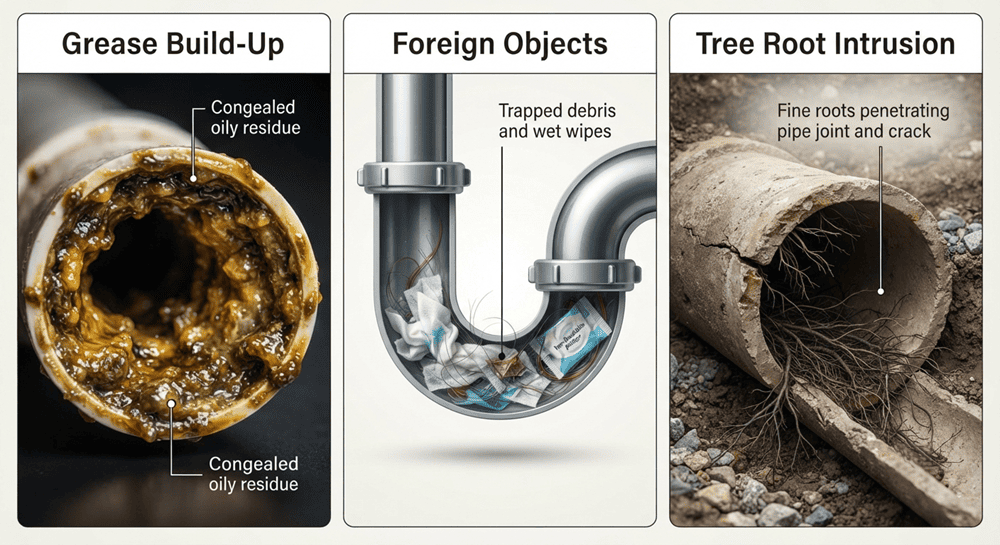
The most common pipe choke causes are grease build-up, foreign objects and tree root intrusion in underground pipes around older estates. Over time, these can narrow the pipe and prevent wastewater from flowing away as it should.
Grease Build-Up
Cooking oil and grease can stick to kitchen pipes, trapping food waste and slowing drainage. If your sink is affected, read about kitchen sink blockages for common causes and fixes.
Foreign Objects
Waste food, hair, wet wipes, and other solids can get stuck inside drain pipes. This may lead to accumulation of further waste and result in narrowing of the opening of the pipes.
Tree Root Intrusion in Older Estates
Tree roots can get into old, cracked or weakened underground pipes. This problem is more common in the underground pipes in some old properties rather than pipes in HDB flat interiors.
Early Warning Signs Before a Full Blockage
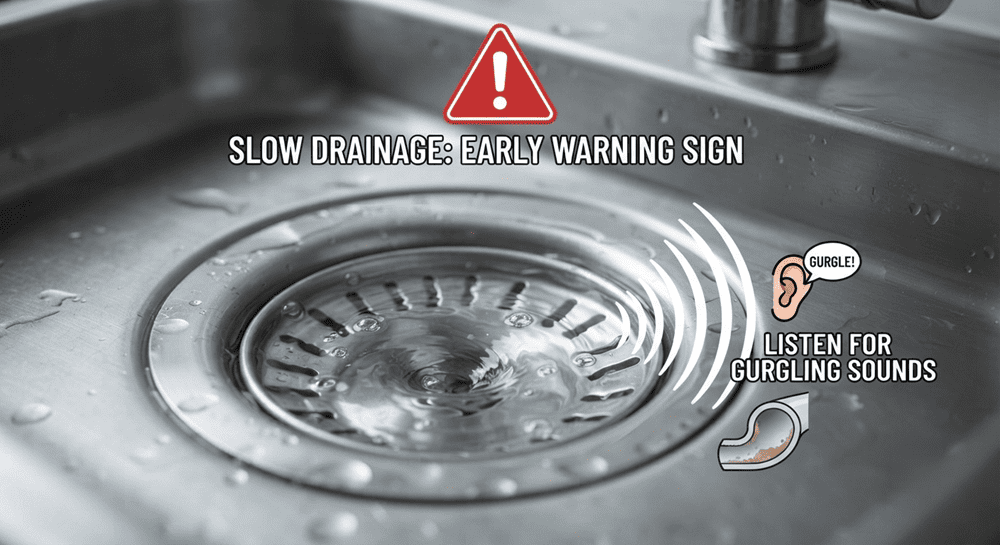
A choked pipe usually does not completely clog up without first giving any indications. Early identification of these pipe blockage warning signs helps one to take care of the situation before water starts backing up or the drain becomes unusable.
- Drainage is slow: It takes more time than usual for the water to drain out of your sink, basin, shower, or floor trap. It is an indication that the waste materials have already narrowed down the pipes.
- Sounds of bubbling and gurgling: Sounds of bubbling and gurgling heard when water drains indicate that there is air that is having difficulty passing through the obstruction.
- Recurring choke at the same point: If the same sink or drain keeps choking after you clear it, there may be a deeper blockage that a simple DIY fix cannot remove.
Do not ignore a drain that keeps getting slower. Acting on these early signs can prevent a partial blockage from turning into a complete choke.
DIY Methods That Actually Work (And Ones That Don’t)
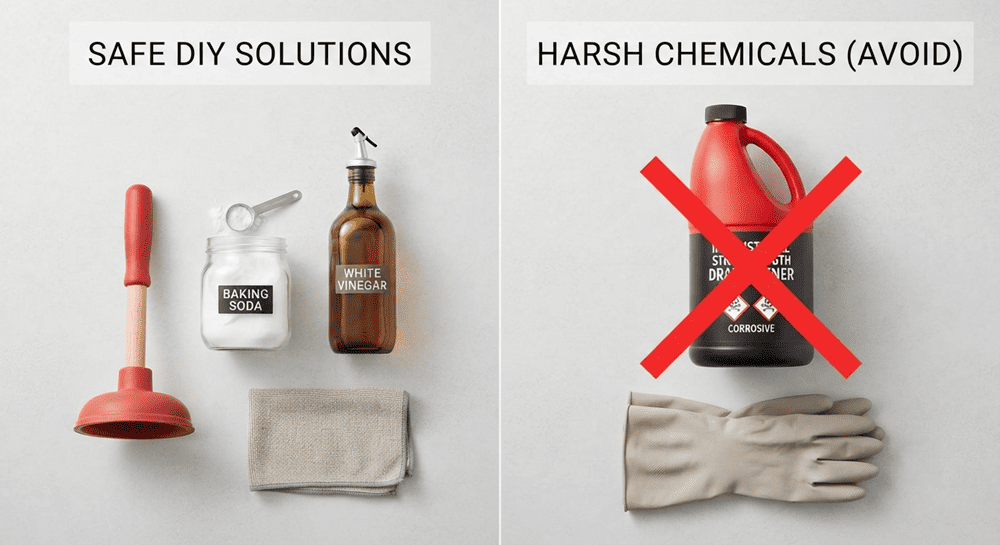
If the clog is small and near the opening of the drain, then you may be able to remove it yourself. It is important to learn how to clear a choked pipe, since improper techniques may damage old pipes and drive the clog further down the pipe.
| Method | Works For | Risk of Damage |
| Plunger | Minor clogs caused by soft waste near the drain opening | Low when used correctly |
| Drain snake | Hair, food scraps and debris within reach | Low to moderate if forced through the pipe |
| Hot water | Light grease and soap residue | Low, but avoid boiling water on pipework where heat may damage fittings |
| Caustic chemical cleaner | Some grease and organic build-up | High on ageing or damaged pipework |
When Does It Need a Professional?
If you have an issue regarding a choked pipe in HDB drainage that returns often, then professional help will be required. This becomes more necessary if the problem exists somewhere deep within the piping system, or if it is a common drainage pipe.
- Recurring choke: If the same drain blocks again soon after clearing, waste may still be trapped deeper inside the pipe. A plumber can locate and clear the source of the problem.
- Choke inside a wall: Blockages in concealed pipework are difficult to reach with a plunger or basic drain snake. Trying to force tools into the pipe may also damage joints or fittings.
- Shared stack pipe in older HDB blocks: If several drainage points or neighbouring flats have similar problems, the blockage may involve a shared stack or main sanitary pipe. This needs proper assessment to identify where the choke is and who is responsible for the affected section.
Getting the problem checked at this stage can prevent repeated blockages, wastewater backflow and avoidable damage to the drainage system.
How Professionals Clear a Choked Pipe
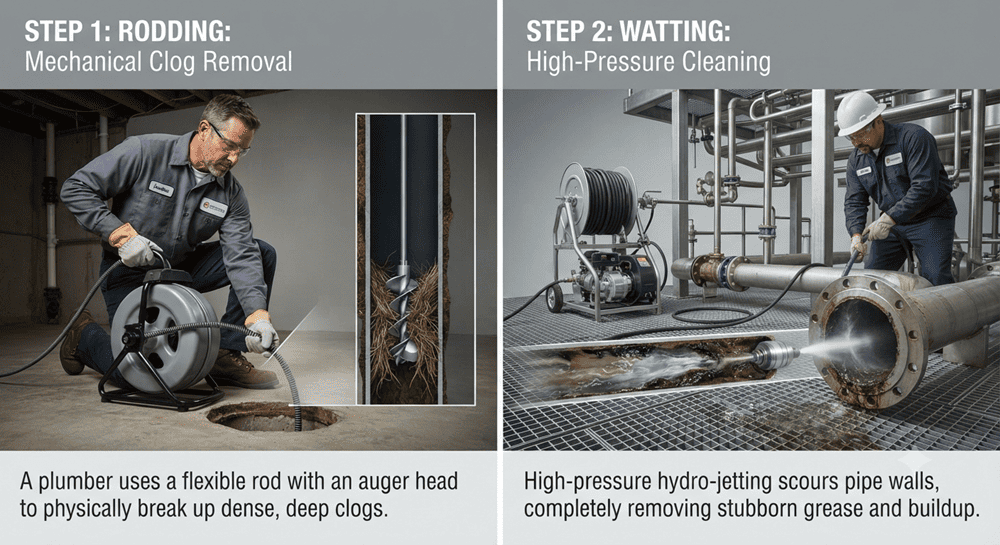
Knowing how to clear a choked pipe is dependent on the location and reason for the clogging. A plumber needs to first diagnose the cause of the problem and determine the extent of it before deciding on the method of unclogging.
Rodding
Rodding involves using a tool that reaches into and breaks down the clog. This process is used when there is a build-up of hair and other waste located deep inside the pipes.
Water Jetting
Water jetting involves the use of pressurised water, which is useful for removing grease and any other stubborn build-ups in a particular area of the pipe.
After clearing the blockage, the plumber tests the drain to make sure water flows freely again.
Preventing Future Chokes
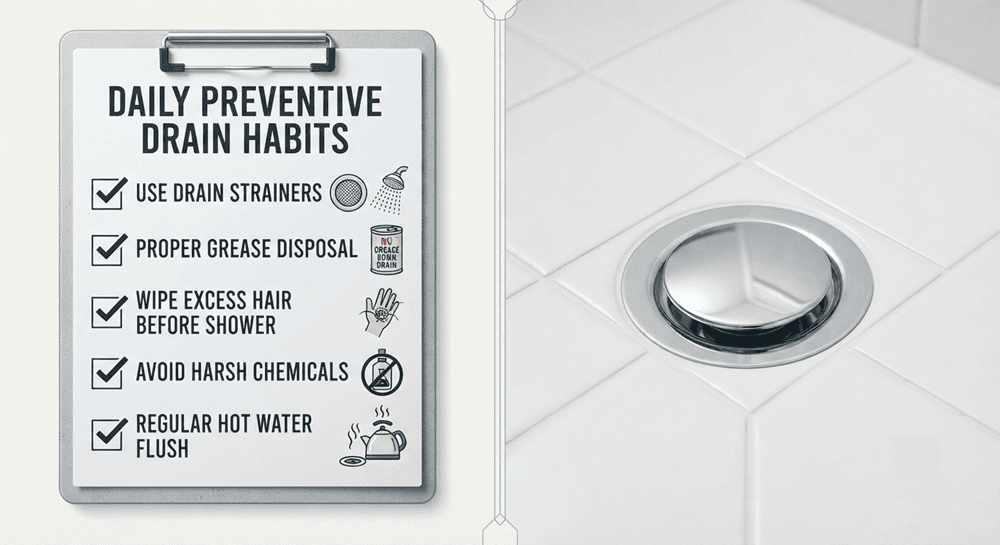
Most blockages can be reduced with a few simple habits. Understanding common pipe choke causes can also help you prevent grease, food waste, hair and other solids from building up inside your drains.
Kitchen Maintenance Checklist
- Utilise a sink strainer to collect food particles.
- Do not put any type of cooking oil down the sink.
- Scrape away the food particles from the dishes prior to washing.
- Regularly clean the sink strainer and drain.
- Look for signs of slow draining to prevent future clogs.
Bathroom Maintenance Checklist
- Hair should be removed from floor traps and drain covers.
- Solid objects like wipes and tissues should not be put into toilets.
- Floor traps need cleaning to avoid accumulation of soap and dirt.
- Gurgling noises or slow drainage of water are signs to look out for.
- Repeated problems should be investigated rather than just doing home remedies.
Toilet blockages often start with what gets flushed. If your toilet drains slowly, backs up or blocks more than once, read about common toilet blockage problems to learn what may be causing it and what to do next.