- In blog
A chute door sits in a small corner of your home, so it is easy to miss the first signs of trouble. Then the handle sticks. A bad smell creeps into the kitchen. A cockroach slips past the door.
These signs can point to a worn seal, a loose hinge or damage to the metal. Some faults need a small repair. Others call for a new door. The key is to spot the cause before the problem grows.
This guide covers the signs you can see, smell and hear. It also explains what you can check without putting your hands inside the chute.
A smell that reaches your home
A faint smell may come from food waste left near the door. A strong smell that stays after you clean the area can point to a gap around the door.
Shut the door and look at its edges. Does one side sit away from the frame? Does the door spring open when you let go? A worn seal, bent frame or loose hinge may stop it from closing as it should.
Wipe the surface around the door and keep waste in tied bags. If the smell stays, ask a professional to inspect the fit. If the smell comes from a shared area, tell your Town Council or building manager. The source may sit beyond your flat.
Cockroaches near the door
One cockroach does not prove that the chute has a fault. But a stream of pests near the door deserves a closer look. A gap around the frame can give them a path into your home.
Watch where the insects come from. Check for cracks, a worn seal and a door that will not shut. Keep the floor clean and remove food scraps that may draw pests to the area.
Do not push your hand into the opening or spray chemicals down the shaft. If pests keep coming back, speak to a pest control firm and have the door checked. Both steps may matter: pest treatment will not close a gap in the frame.
A handle that sticks or breaks
The handle takes a lot of use. It may loosen, jam or snap. If you need to tug hard to open the door, stop and check it. Force can damage the lock or pull the door out of line.
A loose screw or worn part may call for a simple repair. A broken handle may need a new fitting. The condition of the door matters too. If rust has spread through the metal around the handle, a new handle alone may not solve the fault.
What should you do?
Do not use a sharp tool to prise the door open. Keep your fingers clear of the edge and ask a technician to check the handle and lock. A repair should leave the door safe to use and able to shut.
A door that hangs at an angle
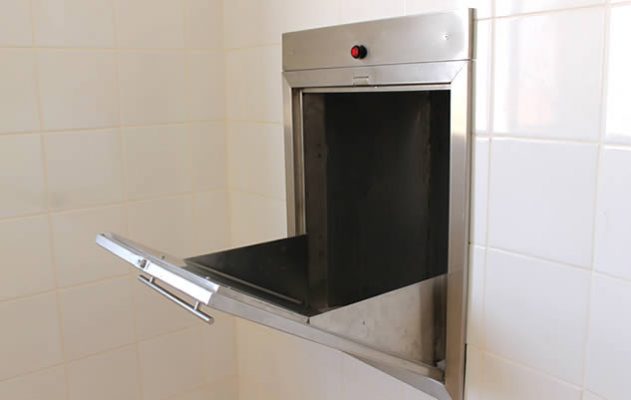
A chute door should sit flat against its frame. A door that droops on one side may have a loose hinge. You may hear a scrape as the metal catches the frame. You may also see a thin gap along one edge.
A loose hinge can let smells and pests through. It can put strain on the handle, since the door no longer meets the lock as it should.
Try this simple check: open and shut the door with a light touch. Watch for a drop or shift in its position. Do not lift the door or tighten parts while it hangs open. A technician can check whether the hinge needs a repair or whether damage to the frame calls for more work.
A door that will not stay shut
Does the door bounce back after you close it? Does the latch fail to catch? This fault needs attention, even if the handle feels sound.
Waste can catch near the door. The latch may have worn down. The door may have bent after a hard knock. Each cause needs a different fix.
Look at the outer edge for scraps that you can remove without reaching into the chute. Close the door with a light push. If it does not stay shut, book an inspection. Do not tape it closed. Tape can hide the fault and make the door difficult to use.
Rust, cracks and sharp edges
Rust can start as a small stain. If it spreads, the metal may pit, flake or form a hole. Cracks and sharp edges can also cut bags or hands.
Take a close look at the door, handle and frame. A small mark on the surface does not mean you need a new door. Rust that has eaten through the metal is a more serious sign. The same goes for a frame that has split or lost its shape.
Do not rub a sharp edge with your bare hand. Keep children away from damaged metal and ask a professional to assess it. The choice between repair and replacement should rest on the state of the door, not its age alone.
Rubbish that blocks the opening
A bag that is too large can jam at the door. It can also stop the flap from closing. If this happens, do not shove the bag down with your hand or a stick.
Pull the bag back if you can reach it from your side of the door. Split the waste into smaller tied bags. Keep glass and sharp waste wrapped so they do not tear through a bag.
If waste has jammed beyond the opening, report the blockage to your Town Council or building manager. Do not try to clear the shaft from your flat. You cannot see what may sit below the opening.
Smoke or signs of fire
Smoke, heat or a burning smell near a chute calls for urgent action. Move away from the door, warn people close to you and call emergency services. Do not open the chute to look inside. Fresh air could feed a fire, and smoke could enter your home.
Do not throw lit cigarettes, hot ash or burning items into a chute. Take care with waste that may hold heat. A chute door and its fittings also form part of a building system, so seek proper advice before you change them.
Once the area is safe, tell the building manager about any damage. A professional can check whether heat has warped the door, seal or frame.
When does a repair make sense?
Many door faults have a clear cause. A technician may be able to fix a loose hinge, fit a new handle or change a worn seal. The door should sit in line with its frame and shut once the work ends.
A repair may suit your home if:
- The metal has no holes or deep rust.
- The frame holds its shape.
- The fault affects one part, such as a hinge or handle.
- The door closes with a sound seal after the fix.
Ask the technician to show you the cause and explain the work. A sound repair should tackle the fault that brought you there, not mask it.
When might you need a new door?
Some damage leaves too little sound metal to hold a repair. A door may also need to go if it has warped, cracked or lost its fit against the frame. Faults that return after sound repairs deserve a fresh assessment.
If you are weighing up rubbish chute replacement, ask what has failed and why a repair will not last. Check that the proposed door suits your flat and meets the needs of the building. A clear quote should set out the work, parts and cost.
A few habits that help
You cannot stop wear, but you can spare the door from strain. Small changes can help keep the area clean and the door free to move.
- Tie waste bags and keep them small enough to pass through the opening.
- Shut the door with a light push. Do not slam it.
- Wipe spills from the surface around the door.
- Look for gaps, rust and loose parts when you clean the area.
- Report pests, bad smells or a blocked shared shaft to the right building contact.
These steps will not mend a broken hinge or seal. They can help you spot a fault while the fix is small.
Get the cause checked
You do not have to guess what sits behind a bad smell or a stubborn door. PW Plumbing can inspect your HDB rubbish chute, explain the fault and recommend a repair or a new door based on its condition.
Tell the team what you have seen: a gap, rust, pests, a broken handle or a door that will not shut. That gives them a place to start and helps you get a clear answer.
FAQs
Why does my chute door smell?
A worn seal or a gap around the frame may let smells into your home. Clean the area, then ask for an inspection if smells remain.
Can a broken chute handle be repaired?
A technician can often fit a new handle if the door and frame remain sound. Rust or damage around the fitting may call for more work.
What should I do if the chute door will not close?
Check for waste near the opening without reaching inside. If the door still will not shut, ask a technician to check the latch, hinge and frame.
Who should I contact about a blocked shared chute?
Tell your Town Council or building manager about the blockage. Do not push waste down from your flat, as you cannot see what lies inside the shaft.